
For many patients, the fear of not knowing what to expect is more stressful than the procedure itself. An emergency tooth extraction follows a clear, structured process designed to relieve pain quickly and safely, and understanding each step can make a significant difference in how prepared and calm a patient feels.
Knowing what lies ahead when seeking emergency dental care for an emergency tooth extraction in Fort Worth helps remove the uncertainty that often delays necessary treatment.

What Happens at Each Stage of the Procedure?
Step 1 — The Emergency Evaluation
The process begins with a clinical exam and X-rays to assess the extent of the damage, infection, or decay. A tooth extraction is typically recommended when a tooth is too damaged to be saved through other restorative means, and imaging confirms whether extraction is the most appropriate course of action.
Step 2 — Anesthesia and Numbing
Before any instrument touches the tooth, the area is thoroughly numbed using a local anesthetic injected into the gum tissue near the tooth. Most patients feel only pressure during the procedure rather than pain, and the dentist will not proceed until the area is completely numb.
Step 3 — Loosening the Tooth
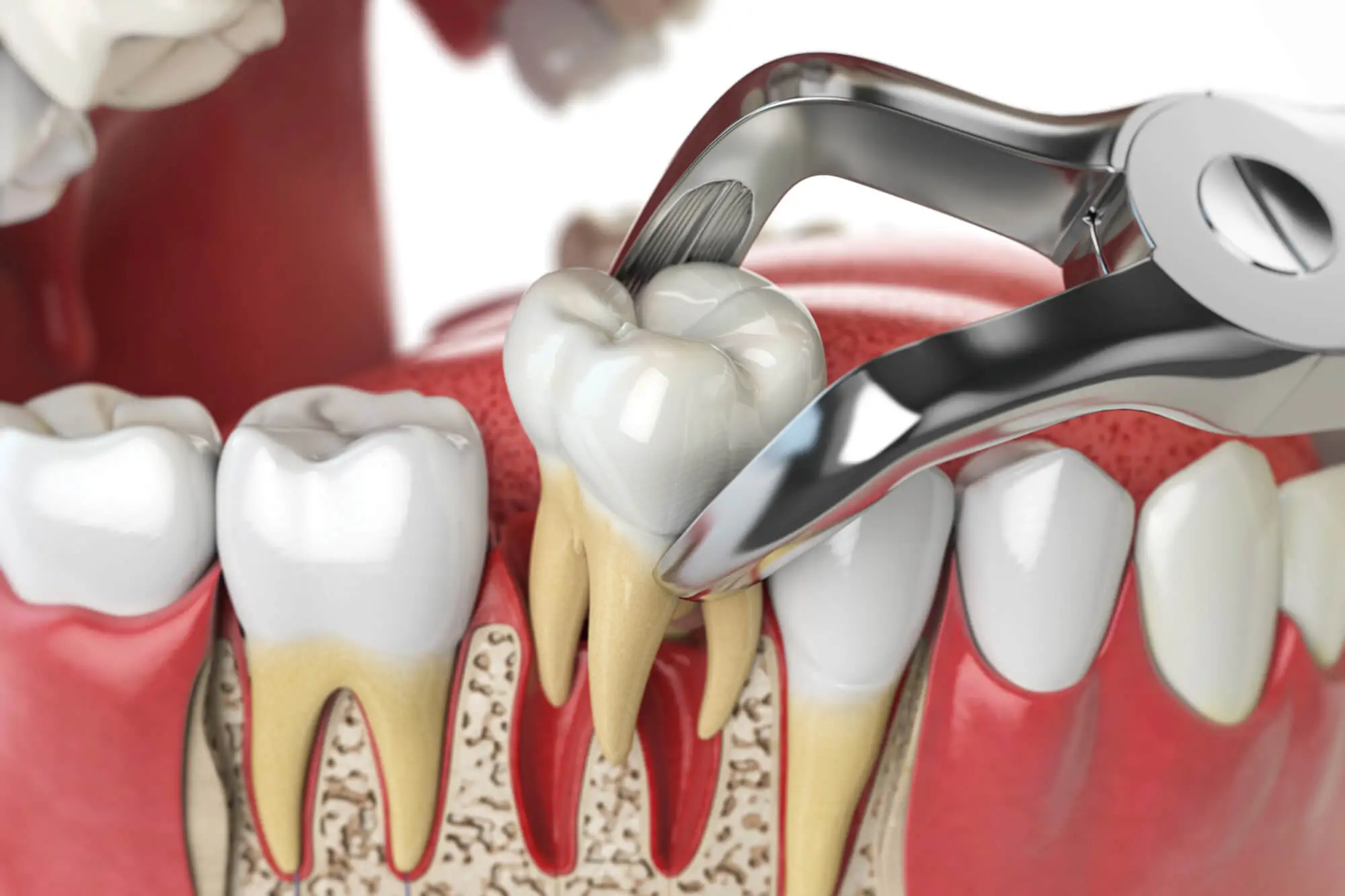
Using a dental instrument called an elevator, the dentist gently loosens the tooth within its socket by working around the ligament that holds it in place. This step widens the socket gradually and prepares the tooth for clean removal without unnecessary trauma to surrounding tissue.
Step 4 — Removing the Tooth
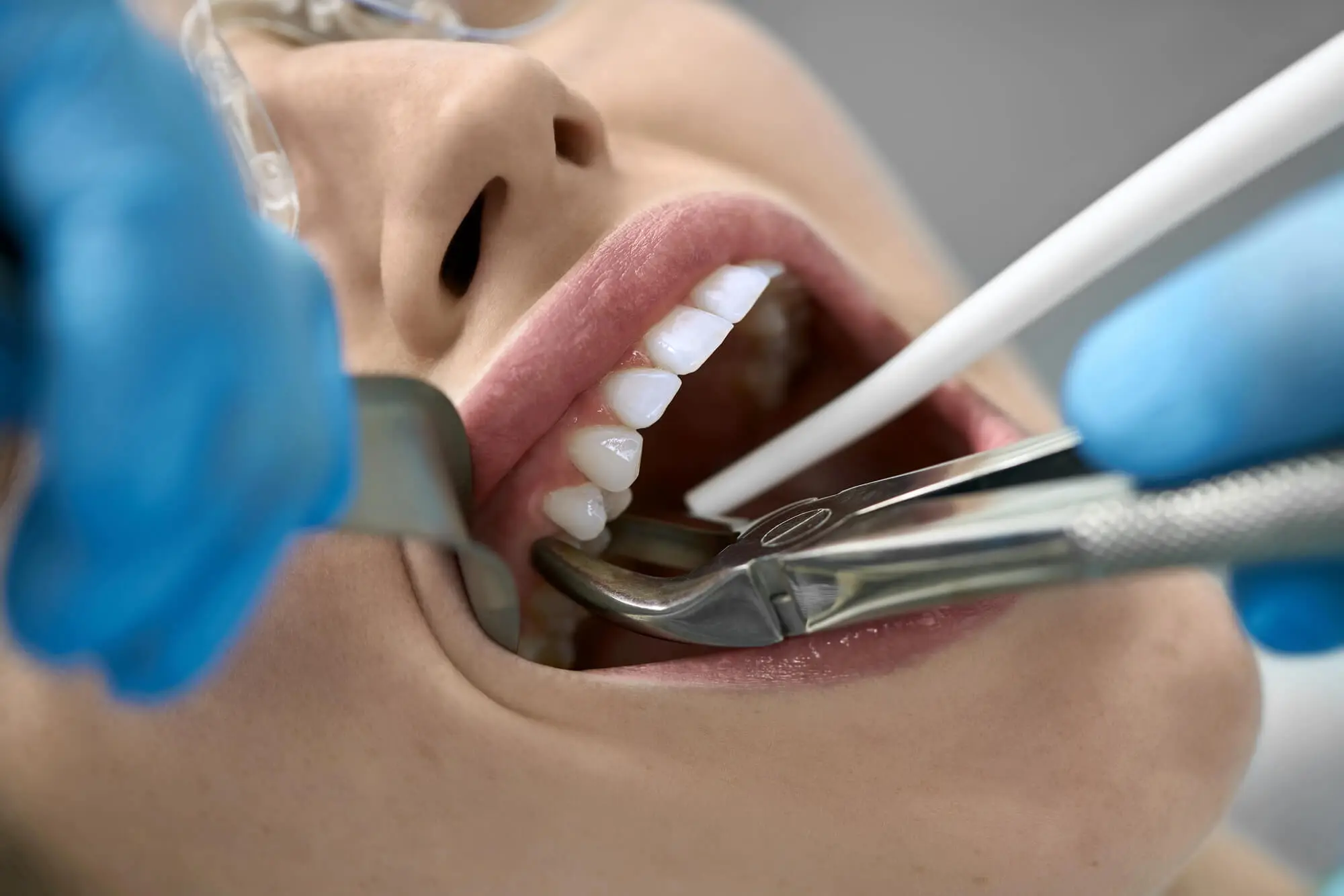
Once the tooth is sufficiently loosened, dental forceps are used to grip and carefully remove it from the socket. Simple extractions involve teeth that are fully visible above the gumline, while surgical extractions are required for teeth that are broken, impacted, or not yet fully erupted.
Step 5 — Controlling Bleeding and Forming a Clot
After the tooth is removed, the dentist places gauze over the empty socket and asks the patient to bite down with steady pressure. This compression helps form a blood clot, which is essential to the healing process and should not be disturbed in the hours following the procedure.
Step 6 — Post-Extraction Instructions
Before leaving, patients receive detailed aftercare instructions covering diet, activity, medication, and what warning signs to watch for. Following these instructions carefully, including avoiding straws, smoking, and vigorous rinsing, significantly reduces the risk of complications such as dry socket.
What to Expect After the Procedure
The First 24 to 48 Hours
Some swelling, mild bleeding, and discomfort are normal in the first day or two following an extraction. These symptoms typically peak around 24 hours and then gradually improve with rest, ice application, and any prescribed or recommended pain management.
Keeping the Area Clean During Healing
Maintaining good oral hygiene around the extraction site is important, but the socket itself should be kept free from direct brushing until it has begun to close. Gentle saltwater rinses starting the day after the procedure help keep the area clean without disrupting clot formation.
When to Call the Dentist
Certain symptoms after an extraction warrant a prompt follow-up call, including:
- Severe pain that worsens after the second day rather than improving
- Bleeding that does not slow after an hour of steady pressure
- Fever, swelling that spreads, or difficulty swallowing
- A dry, exposed socket with visible bone and intense pain
- Numbness that persists beyond the expected anesthesia window
Get Fast Relief With an Emergency Tooth Extraction in Fort Worth
At White Settlement Family Dentistry, Dr. Stephen Kim and the team prioritize comfort and efficiency for every patient facing a dental emergency, walking each person through the process with clarity and care from the first call to the final follow-up.
Whether the concern is a severely infected tooth, an irreparable crack, or acute pain that cannot wait, prompt extraction can provide immediate relief and protect the surrounding teeth and bone. Schedule your emergency visit today and get the care needed to start feeling better fast.
